
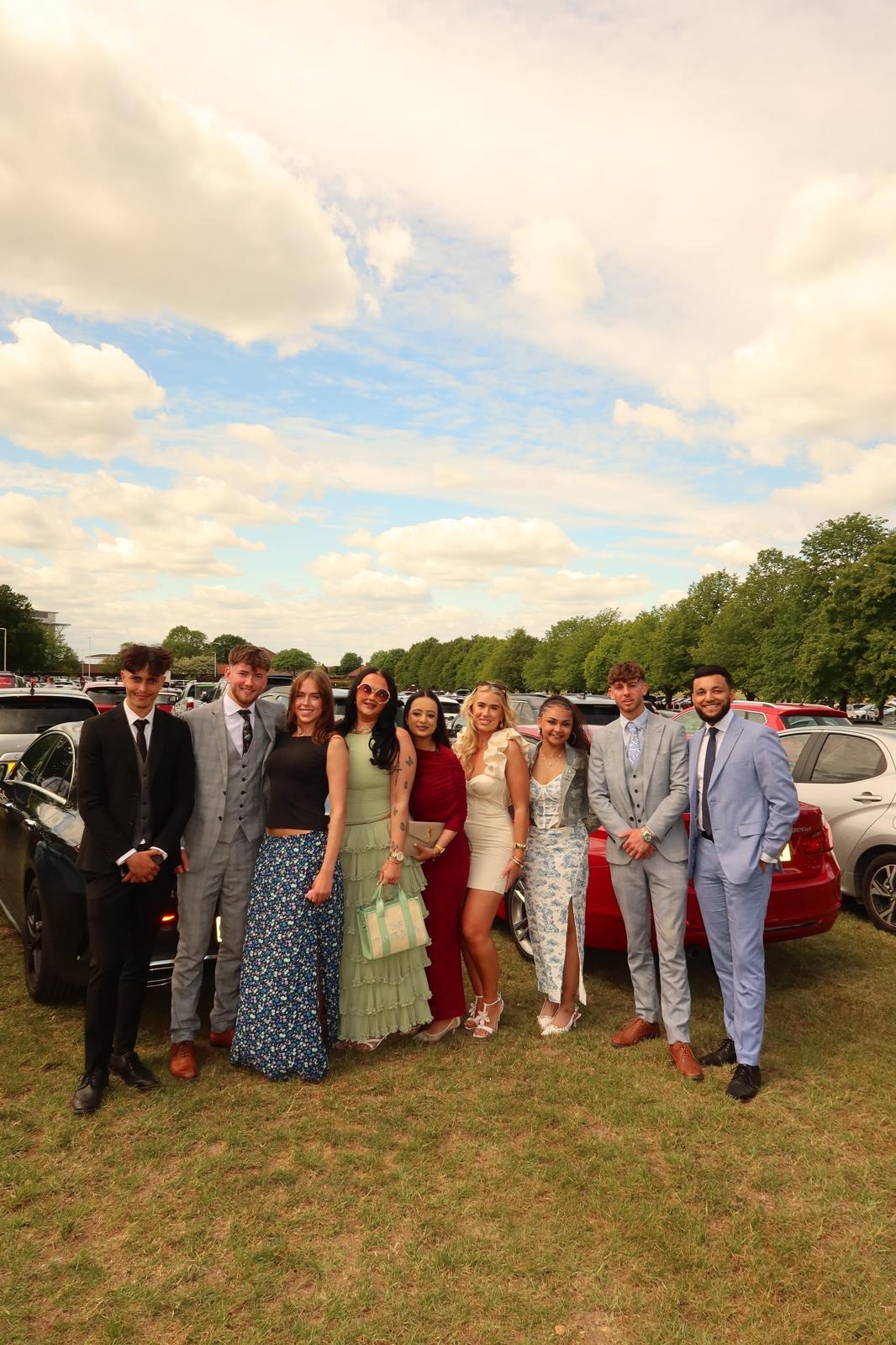
Sales teams thrive on structure. Give people a clear goal, a fair timeline, and a reward worth chasing, and something shifts. At Choice Marketing, we saw that shift first-hand over a twelve-week internal competition, and we capped it off with a trip our top performers won’t forget: a day at Newmarket Racecourse.
The Numbers Behind the Motivation
Competition works. Research into sales environments shows that well-structured internal contests can lift performance by up to 20 to 44%. The effect is strongest when goals are time-bound, visible, and tied to a reward people actually want.
This isn’t about pitting colleagues against each other for the sake of it. It’s about giving people a reason to bring their best every single day. When targets are clear, and the finish line is in sight, people push harder. They also help each other. Good competitions build teams, not rivals.
There’s a retention benefit too. Recognising strong performance keeps people engaged. It shows staff that effort gets noticed and rewarded, not just tolerated. That builds a culture where people want to stay and grow, rather than clock in and coast.
Sales roles carry pressure most jobs don’t. Targets reset every week. Rejection is part of the daily routine. Without something to aim for beyond the basic pay cheque, that pressure wears people down over time. A well-designed competition gives staff a reason to see the pressure as a challenge worth taking on, rather than a grind to survive.
The key word is structure. A competition without clear rules or a fair scoring system breeds resentment rather than drive. Staff need to know exactly what’s being measured, how often, and what winning actually looks like. Choice Marketing built the twelve-week contest with that clarity front and centre, and it made all the difference to how the team responded.
Twelve Weeks, One Goal
Choice Marketing set a twelve-week competition across the sales floor. The rules were simple. Hit your numbers consistently, week after week, and earn your place among the top performers. The reward waiting at the end was a day out at Newmarket Racecourse, one of the most iconic race meetings in the UK sporting calendar.
Twelve weeks is a real test. A single good week can happen to anyone. Sustaining performance for three months takes discipline. It sorts out who shows up with intent from who gets lucky once and fades.
Our CEO, Abdul Baig, put it best when reflecting on the outcome:
“From the very beginning, this competition was about more than numbers, it was about consistency, mindset, and execution over time. Twelve weeks of sustained performance shows us who is truly committed to growth. Rewarding our top performers with an experience at Newmarket Racecourse was the perfect way to recognise that effort. It wasn’t just a day out, it was a celebration of discipline turning into results.”
Anyone can chase a single bonus for a week. Building a habit of hitting targets for three months straight is a different skill entirely. It’s the skill that separates good salespeople from great ones.
What Changed on the Floor
The impact wasn’t limited to spreadsheets and sales boards. One of our team leaders, who watched the competition unfold day by day, noticed a change in how people worked together.
“As a team leader, I saw a real shift from week one. The competition created focus, but more importantly, it created energy. People weren’t just working harder; they were working smarter, pushing each other, and holding themselves accountable. Over the 12 weeks, we saw a clear uplift in performance across the board, but just as importantly, morale went through the roof. It turned day-to-day targets into something everyone wanted to win together.”
That’s the real value of a well-run incentive. It doesn’t just push individuals to do more. It changes how a team behaves as a unit. People start sharing tactics that work. They start calling out when a colleague’s energy dips. Targets stop being a solitary grind and start becoming a shared mission.
Morale is often treated as a soft metric, hard to measure and easy to dismiss. But teams with high morale close more deals, take fewer sick days, and stay with a company longer. The energy in the room on a Tuesday afternoon matters just as much as the numbers on a Friday report.
Why Newmarket
Newmarket Racecourse isn’t just a nice day out. It’s steeped in history as the home of horseracing in Britain, with a buzz and atmosphere that suits a team celebrating hard-earned wins. Picking a reward with genuine prestige sends a message: this achievement matters, and we’re marking it properly.
Watching the horses thunder down the track, our top performers had the chance to relax, enjoy each other’s company outside the office, and reflect on what they’d achieved together. Conversations that would normally stay confined to sales scripts and call targets turned into something more personal. People swapped stories, shared a laugh, and built the kind of connections that make a workplace feel like a team rather than a collection of individuals chasing separate goals.
It’s also a reminder that sales work, for all its pressure, can lead somewhere genuinely enjoyable. When people know that consistent effort leads to real experiences, not just an extra line in a bonus payslip, they invest more of themselves in the work.
Building Something That Lasts
A single competition can boost numbers for a few weeks. The real challenge is making sure the benefits stick around after the trophy’s handed out and the excitement settles. That’s where thoughtful design matters most.
Choice Marketing didn’t just measure raw sales. Consistency counted for as much as volume. A rep who hit steady numbers every single week scored better than someone who had one huge week and several quiet ones. That approach rewards the habits that actually build a sustainable sales career, not just a lucky streak.
Transparency played a big part too. Scores were visible throughout the twelve weeks, updated regularly so everyone could see exactly where they stood. Nobody was left guessing whether their effort was paying off. That visibility kept people engaged even in weeks when the numbers were tougher to hit.
Team leaders also played a bigger role than they might in a normal sales cycle. Rather than stepping back and letting the competition run itself, leaders checked in regularly, offered advice, and celebrated small wins along the way. That hands-on approach turned the competition into something the whole team owned together, not just a scoreboard watched from a distance.
The Bigger Lesson
This competition, and the trip that followed, taught us something simple but powerful. People respond to clarity, fairness, and recognition. Give a team a defined goal, a fair length of time to achieve it, and a reward they genuinely value, and performance follows.
It also reinforced how much leadership style matters during a competition like this. Team leaders who stayed close to their teams, who noticed effort and called it out in the moment, got more from their people than those who simply watched the scoreboard. Recognition works best when it’s immediate, specific, and genuine.
Twelve weeks is long enough to build real habits and short enough to keep energy high throughout. That balance is worth remembering for any business thinking about running something similar. Too short, and people don’t build consistency. Too long, and momentum fades before the finish line.
The results speak for themselves. Stronger sales figures, better teamwork, and a group of people who spent a sunny afternoon at one of Britain’s finest racecourses, knowing they’d earned every minute of it.
Join Us
Choice Marketing is built on rewarding effort, backing ambition, and giving people real reasons to grow. If that sounds like the kind of team you want to be part of, take a look at our current open roles. Whether you’re experienced in sales or ready to start building your career, we’d love to hear from you. Come and see what you could achieve, and where it might take you.